
Hotel price fluctuations are completely normal, and to be expected at almost any hotel—including budget ones. Dynamic prices take into account shifts in supply and demand, revenue management, seasonal travel needs, and so much more—but we understand how changing hotel prices can be frustrating to deal with when it feels like there is no rhyme or reason.
Instead of getting frustrated with ever-changing hotel fees at different times of the year, we want to help you understand how dynamic pricing works, and the impact that last-minute deals can have on your wallet if you are short on time.
What Do We Mean by Hotel Prices Changing?
Hotel prices can change quickly, and this is exactly what it sounds like—the cost of your accommodation going up or down, depending on a number of different factors that are taken into consideration.
If you have ever thought about booking a last-minute holiday in London during the festive season, you have probably noticed that, depending on the hotel, you could be charged hundreds more than you would expect for your accommodation. However, if you have visited the city in January, prices will be significantly lower, and it might look like there is a discount on everything.
The reason for hotel prices to change comes down to a collection of costs and supply and demand.
Why Do Hotel Prices Go Up and Down?
There are lots of reasons for London hotel rates to rise and fall across the year. Some reasons include supply and demand shifts that the hotel must consider, revenue management, peak travel, operational costs like OTA fees, local taxes, and even external shocks like market events. However, there are also factors like booking lead times to consider, which can impact the price you pay for a hotel.
Here’s a breakdown of what could impact hotel prices across the year:
- Revenue management – dynamic management takes into account the prices of competitors, forecast demand, and more, based on data that is continuously being collected and analysed for use
- Peak travel times – peak season rates are typically much higher compared to other times of the year, and it isn’t unusual to see up to a 40% increase in rates during May, June, September, October, and December, with April also seeing higher demand depending on when Easter falls. These months see a surge in events and business meetings, driving up occupancy and pricing across London hotel.
- Operational costs – higher room rates can be the result of energy, taxes, wages, and all the day-to-day operating costs that a hotel must cover and charge for. This will quickly bring the price up, and is subject to change day after day
- OTA fees – securing a hotel through an online travel agent can result in higher fees since you are working through a middleman. Book direct discounts can save you an impressive amount of money in many cases, as the hotel will not need to effectively pay a cut to the travel agent
- Various external shocks – economic pressure and market events will impact the price of a hotel and impact strategies moving forward. Large economic events can see hotel prices rise and fall at a moment’s notice
- Booking lead times – you can expect lower prices when you book your accommodation months in advance. As the date draws near and availability tightens, this price will gradually rise, leading to last-minute bookings costing a small fortune
How Does Seasonal Demand Affect Hotel Prices
Hotel prices are heavily impacted by seasonal demands such as the number of tourists in an area, event surcharges, and competitive pricing. Revenue management systems are capable of adjusting hotel prices in real time based on market trends, competitor activity, and current demands, to ensure that hotels remain competitive and are planning for the future,
During peak travel times, there are more bodies in the city. This means that supply and demand skyrockets in more areas than accommodation—restaurants, supermarkets, and even the local corner shop will need to increase prices to keep up with the number of people in the area. Unfortunately for visitors during peak times, these higher costs are simply part of the package, unless you can secure booking months in advance and enjoy discounts based on availability.
Do Local Events or Holidays Change Hotel Prices?
Local events and holidays have a massive impact on hotel prices. The festive season and peak travel months like May, June, September, and October will incur higher prices overall, as we discussed above, but additional factors will also play a role, such as what local events are on (and how close you are to them), seasonal holidays like Easter depending on timing, and even your proximity to sought after locations around the city.
If you were to visit London during December, it is highly likely that you will pay more to stay in a hotel that is close to tourist areas or somewhere like Winter Wonderland Hyde Park. However, if you choose a hotel that is not next door, prices are likely to be lower.
Similarly, special events like festivals will push local hotel prices up due to accessibility and general ease of access, because most visitors are willing to pay for convenience.
Why Can the Same Room Cost Different Prices on Different Days?

Have you ever looked at booking a hotel in the morning, put it off, and come back in the evening only to see that the price has gone up? This is very real, and happens more than you think! Hotel prices are dynamic and ever-changing based on supply and demand—competitors, seasonality, policies, and so much more will play a part.
So, yes, the same room can cost different prices on different days, or even at different hours of the day, based on a wide range of factors. This is not something that you can typically work around, as it may seem random without having the full data set running in front of you. As such, the best answer to getting yours hands on a cheaper hotel room is this: book well in advance.
How Does Booking Time Influence What You Pay?
The further in advance you are able to book a hotel, the less you are likely to pay. Last-minute bookings are going to cost a small fortune in most situations, and can quickly put a damper on a trip to London.
Here are some advance booking tips to keep in mind:
- Book months in advance for peak travel periods
- Take advantage of flexible rates (e.g. free cancellation options)
- Use tools to track hotel rates and alert you to discounts and changes
- Use multiple platforms to compare prices before booking
- Try to book Sunday and Monday accommodations for better prices
- Call the hotel to check for direct hotel offers (this happens more often than you might think!)
- Avoid the last-minute strategy if you want to save your wallet
Book Your Stay With Crown Group of Hotels for an Unforgettable London Visit
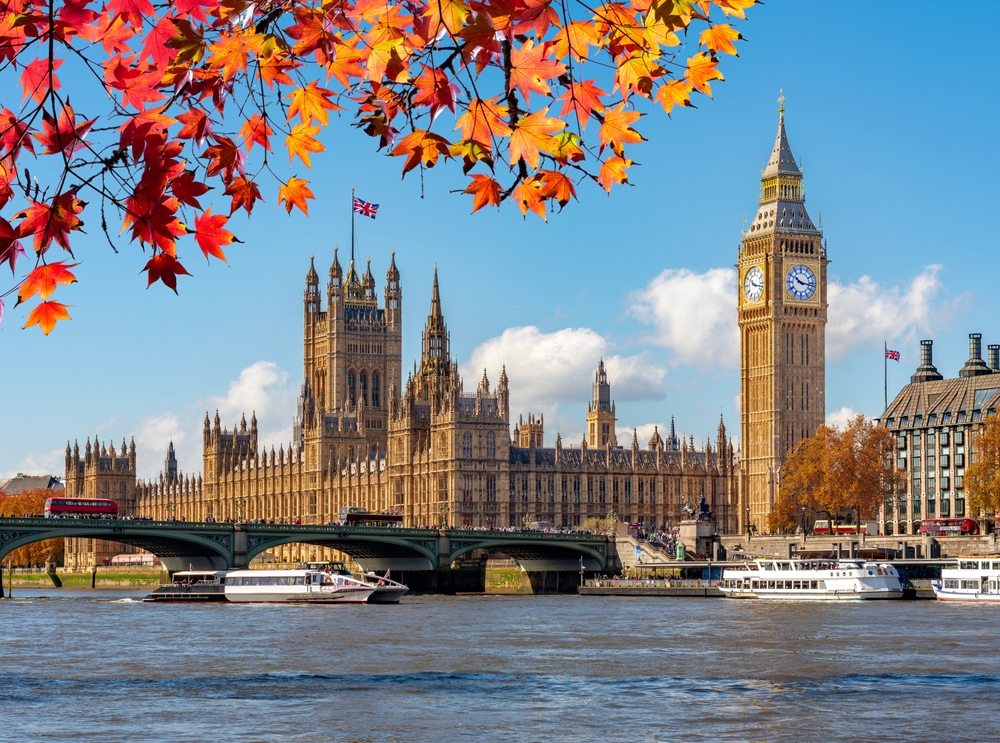
Expect to pay more unless you book in advance! Secure your affordable stay, and get to experience the magic of the UK’s capital, whether you are visiting during a business trip, graduation weekend, or your anniversary, you can take advantage of our deals and offers throughout the year.
Discover transparent pricing and exceptional value with Crown Group of Hotels. Check our latest rates, sign up for exclusive deals and book direct for the best available hotel prices. If you have questions, contact our guest services team today to help plan your perfect stay and have an incredible time in London.
Stay at Hotel Cavendish, Arran House Hotel, Bloomsbury Palace Hotel, Great St. Helen Hotel, or Hatton Garden Hotel, and the City of London will be right on your doorstep, ready to be experienced. Before booking, please read through our booking and privacy policies and terms and conditions.
Before booking, please read through our booking and privacy policies and terms and conditions.