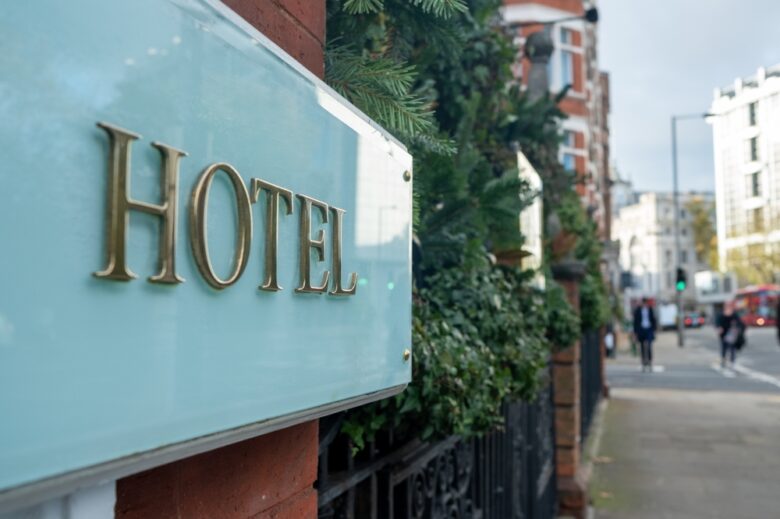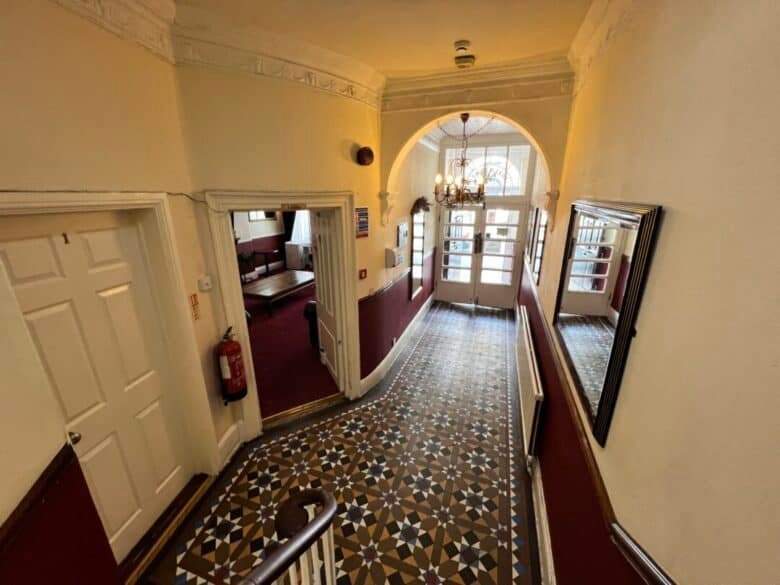

Choosing a place to stay in London usually starts with a simple question: what do you actually need from your room once the suitcase is unzipped? For some, it is a quiet desk and a fast connection to the City. For others, it is a quirky design and a local story told through the wallpaper. The lines often blur, but the choice between business and boutique hotels in London usually comes down to whether you prioritise efficient utility or curated personality. London is a massive, sprawling city where your choice of base can make or break your schedule.
If you are travelling for work, you likely want a seamless experience. You want to know exactly what the average check-in time in London hotels is so you can drop your bags and head straight to a meeting without a middleman explaining the history of the lobby’s reclaimed timber. If you are here for a holiday, you might be more focused on the aesthetic of your surroundings. Understanding these differences helps you avoid paying for frills you won’t use or missing out on the practicalities you can’t live without.
ONS figures show overseas visitors made more than 42 million trips to the UK in 2024, and London takes a big share of that. It’s part of why the hotel market here spans every style and price point, as Visit London‘s guides make clear across both business and leisure travel.
The Practical Core of Business Hotels
Business hotels are often described as the workhorses of the hospitality world. They are designed for reliability. When you book a corporate stay, you are usually looking for a frictionless environment where the Wi-Fi is fast and the transport links are unbeatable. Many guests find that the best way to handle a professional trip is to stay somewhere that understands the value of time above all else.
These hotels focus heavily on efficiency. You will find plenty of power sockets, reliable desks, and locations near major hubs like Liverpool Street, King’s Cross, or Euston — all well connected on the TfL network. For example, staying at the Great St Helen Hotel puts you right in the heart of the City of London, making it a perfect example of a base built for professional utility. The goal here is not to distract you with decor, but to support your daily routine
One common worry for corporate travellers is temperature control. It is always worth checking do London hotels have air conditioning before you book, as older buildings in the capital do not always offer it as standard. Business-centric hotels are generally better equipped with these modern essentials, ensuring you get a good night’s sleep before a busy day. For many travellers, the priority for a London trip is simply a comfortable, cool room that serves as a launchpad for the city.
If you are visiting on business and want to make the most of the City after hours, our 48 hours in the City of London guide covers everything worth seeing in the Square Mile.
What Defines the Boutique Hotel Experience?
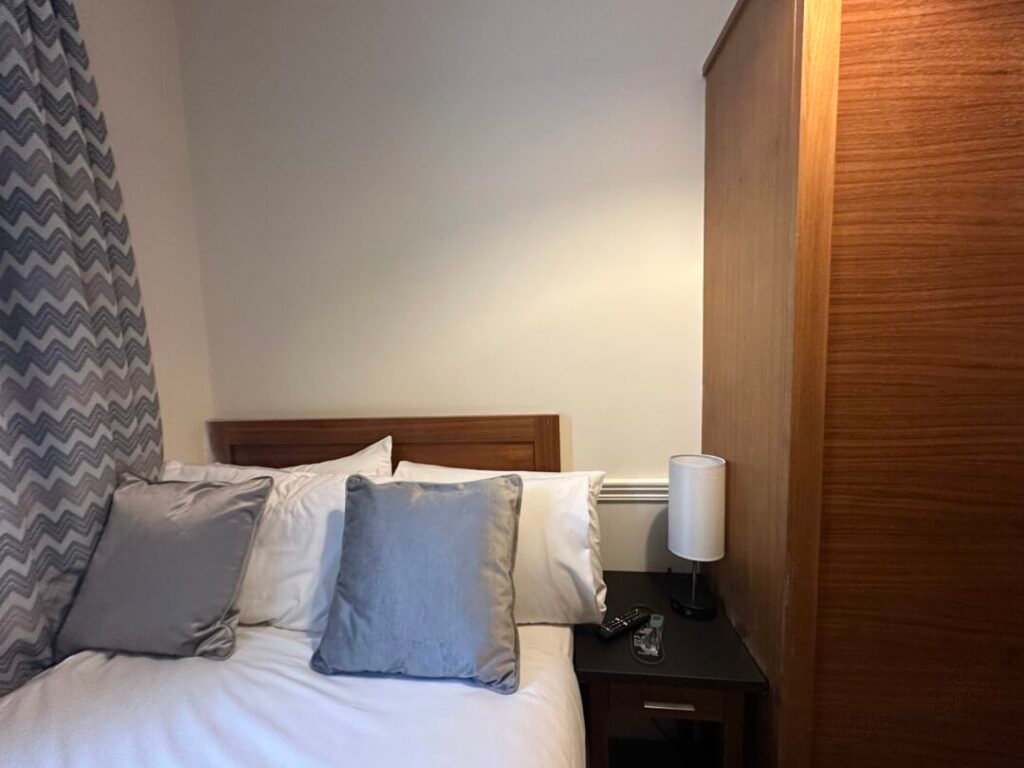
Boutique hotels sit on the other side of the fence. They are typically smaller, often independently owned, and lean heavily into a specific theme or historical period. If a business hotel is about efficiency, a boutique hotel is about a specific vibe. You might find velvet armchairs, local artwork, or a resident cat. For many, the appeal of a boutique stay is the intimacy and the sense that the building has a personal story to tell.
These spots are often located in more residential or characterful areas like Bloomsbury or Hatton Garden. The Hatton Garden Hotel, for instance, reflects the unique character of London’s famous jewellery quarter. Guests here are often celebrating a special occasion or moving at a slower pace than the suit-and-tie crowd. The boutique guest tends to want their hotel room to feel like a destination in itself.
For a deeper look at the Bloomsbury area — one of the best neighbourhoods for boutique-style stays — our Bloomsbury guide for first-time visitors covers the squares, museums and dining you can reach on foot.
Choosing a London Hotel Based on Purpose
Your choice often depends on whether you are here for corporate travel or a hard-earned holiday. If you are planning a weekend of culture, you might want to be near the British Museum. The Bloomsbury Palace Hotel offers that classic London feel while keeping you within walking distance of some of the best sights in the city. When you’re deciding which London neighbourhood should you stay in, think about your North Star: is it the office, or is it the West End?
For those visiting specifically for exhibitions, such as the Bayeux Tapestry coming to London or a Frida Kahlo exhibition London, a hotel that balances the two styles is often the best bet. You want the comfort of a boutique-style room without the price tag of a luxury lifestyle brand. This middle ground is where smart travellers often find the best value.
If you are in London for the Agatha Christie exhibition at the British Library — running from October 2026 — a hotel that combines good value with proximity to King’s Cross is worth prioritising.
Many travellers also wonder is breakfast included in London hotel rates? Business hotels often offer a quick, reliable buffet to get you moving, whereas boutique spots might focus on a more elaborate brunch-style experience. It is these small details that often dictate the final choice for a frequent traveller.
Can You Have Both?
The best hotels in London often stay in the sweet spot between these two categories. You do not always have to choose between a cold corporate box and a tiny, overpriced boutique room. Value-driven hotels in central London provide the practical essentials of a business stay: clean rooms, central locations, and great service, without the fuss of a boutique brand.
If you are planning a trip to see Stranger Things in the West End, you do not necessarily need a 24-hour business centre, but you do need a room that is easy to reach after the curtain falls. Similarly, if you are visiting for the Chelsea Flower Show, you want a comfortable bed and a friendly face at reception more than you need a designer lampshade. It is the kind of balance covered in detail in the ultimate guide to hotels in central London.
For those planning a proper London break rather than a business trip, our guide on why a London staycation this summer might be the best decision you make lays out exactly why staying centrally pays off.
Location and Ease of Travel
Regardless of the hotel’s style, location is the most significant factor in your trip’s success. London is a city best explored on foot or by Tube. If you are spending 48 hours in the City of London, staying near a major station is vital. The Mabledon Court Hotel or the Hotel Cavendish offer the kind of proximity that makes getting around effortless, regardless of whether you’re heading to a boardroom or a bistro.
For those who want a quieter, more academic atmosphere, the Arran House Hotel provides a traditional feel in the heart of Bloomsbury. These locations are excellent for people who want to tick off the 24 best free things to do in London without spending their entire budget on an Oyster card. Knowing everything you need to know before visiting London starts with picking a postcode that works for your itinerary.
If you are staying near King’s Cross and want to know where to eat after checking in, we have put together a guide to the best places to eat near King’s Cross and Euston after a day out.
A Note on Seasonal Trips
Your choice might also shift depending on the time of year. A winter trip often involves specific plans, such as romantic winter date ideas in London or finding the most instagrammable festive spots in London. During this season, boutique hotels often lean into the cosy aesthetic. However, if you are visiting for the top 7 London winter markets, you might prefer a straightforward, reliable room that lets you save your money for the market stalls.
From ice skating in London to catching the best West End Christmas shows, your hotel is essentially a place to recharge. If you’re looking for 10 free things to do in London over December, a value-focused hotel is often the smartest move. It leaves you with more freedom to enjoy the city’s events, like checking out theatre shows near Covent Garden, without the stress of a high nightly rate.
Understanding the Price Tag
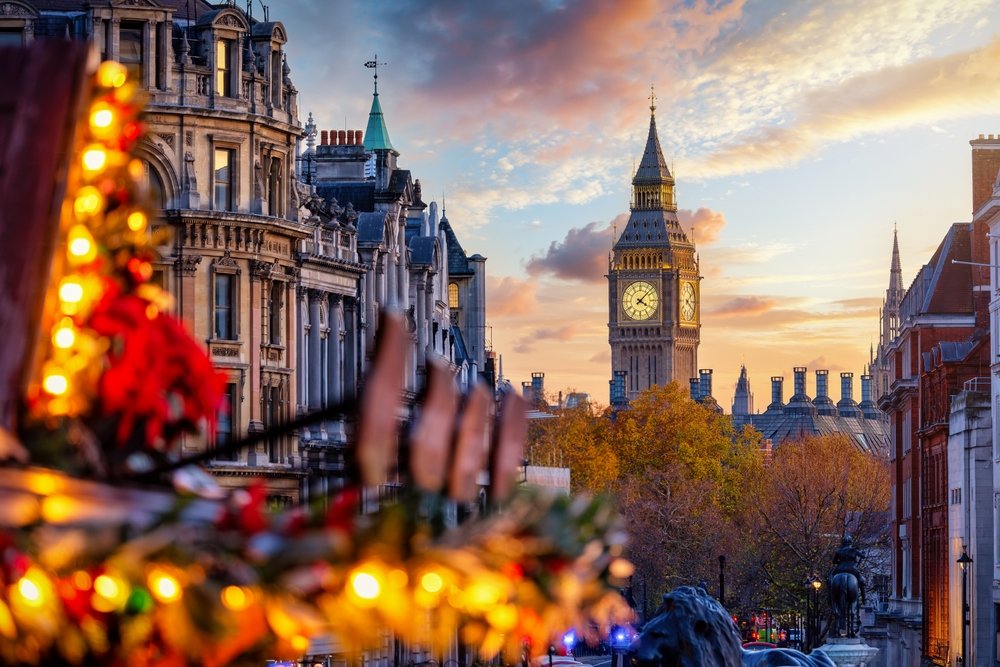
Budget is usually the final deciding factor. Guests often wonder why hotel prices change so frequently in London. Boutique hotels usually have higher price floors because they have fewer rooms and higher overheads for their bespoke decor. Business and value hotels tend to be more competitive, especially if you check Crown Group’s special offers before you book.
It is always worth considering what you are actually getting for your money. In a boutique hotel, you are paying for the experience and the look. In a practical central London hotel, you are paying for the location and the convenience. For a week of meetings or a simple sightseeing tour, the high-value model is arguably more sensible. Ultimately, the difference is about expectations. If you want a predictable, efficient, and well-located base that lets you focus on the city itself, a business or value hotel is the clear winner.
Crown Group holds a Green Tourism Bronze accreditation — meaning whichever style of hotel you choose within the group, you are also supporting responsible, sustainable hospitality in central London.
To find out which Crown Group property suits your trip, contact us and the team will be happy to help.